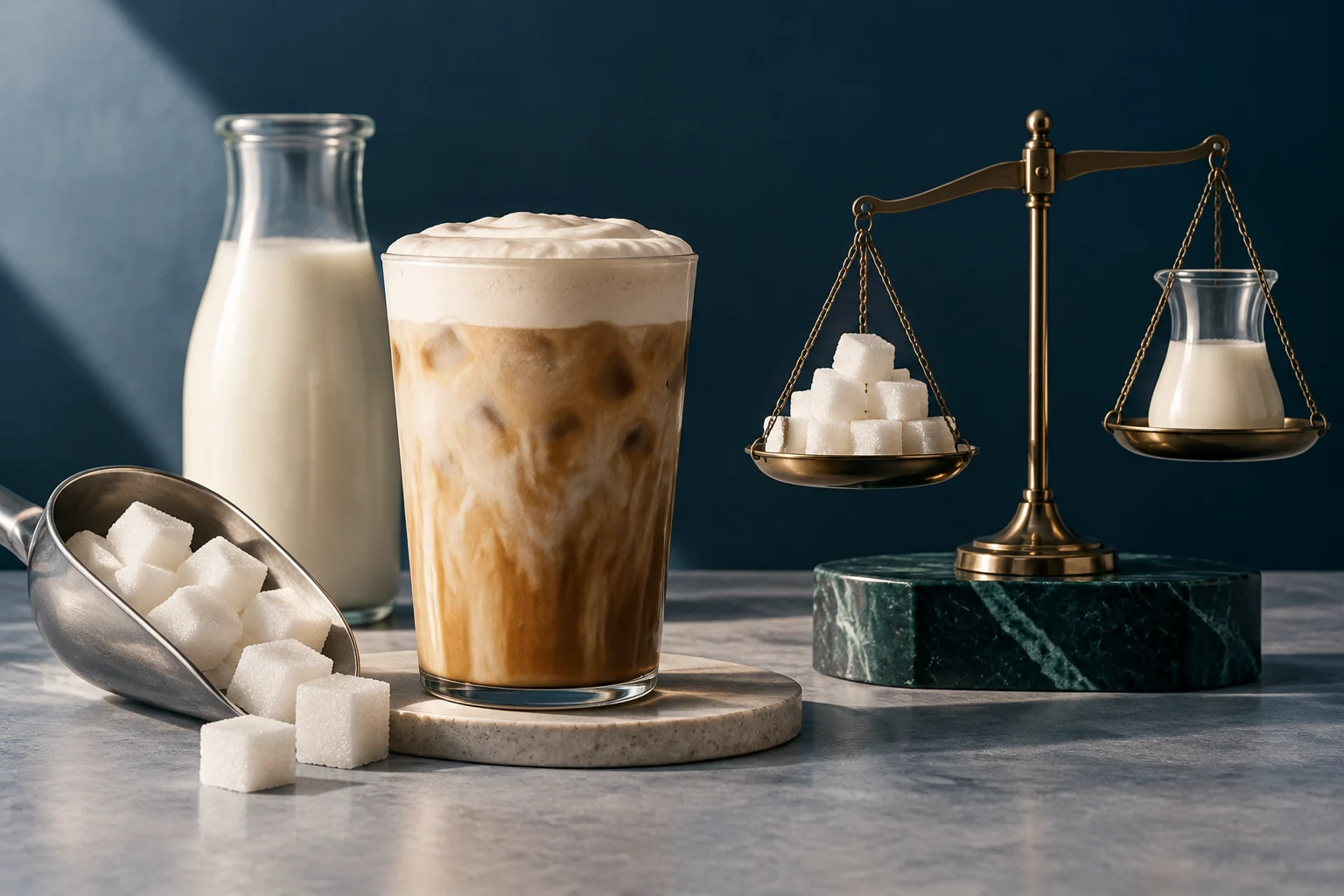
Starbucks is facing a class-action lawsuit filed in federal court in Seattle over how it markets eight protein drinks in the United States. The plaintiffs argue that the phrase “sugar-free” may be misleading because the drinks contain naturally occurring sugar from protein-enriched milk, even though no sugar is added and sugar-free syrups are used to flavor them.
What consumers allege
According to the lawsuit, large servings of the drinks contain between 13 and 21 grams of sugar. The plaintiffs say some consumers would interpret “sugar-free” to mean that the product contains virtually no sugar. The complaint also alleges that the labeling violates federal rules and that certain warnings about calories and weight control were not included.
The lawsuit was filed on behalf of three consumers from California, New York, and Washington. It seeks damages in an unspecified amount and asks Starbucks to stop using the phrase “sugar-free” for products that contain sugar. It also invokes state consumer protection laws, so the scope of the claims depends, among other things, on the rules applicable in those states and on what the court decides.
The eight drinks named in the lawsuit are hot and iced versions of vanilla and caramel protein lattes, as well as matcha drinks in those flavors. Information published by Starbucks distinguishes between the absence of added sugars and total sugar content, which may include sugars naturally present in dairy ingredients.
Starbucks’ response and the status of the case
Starbucks called the allegations baseless. A spokesperson said the company provides information about ingredients, customization options, and nutritional content on its menus, in marketing materials, on its website, and in its app, and that it intends to defend itself. The company says the sugar in these drinks comes from protein-enriched milk and that it does not add sugar to the recipes.
The lawsuit raises the question of whether the products’ names and presentation may be misleading even though the company also discloses their nutritional content. That is an allegation by consumers, not a judicial finding. The available information does not indicate that the court has ruled on the case or determined that Starbucks violated the cited rules.
The litigation adds to other disputes over sugar-content claims on food products, but each case depends on its labeling, composition, and marketing context. For now, the dispute is limited to the claims filed in the United States and the drinks identified in the lawsuit.